

How to Choose the Best Trade Compliance Software for Businesses
-
 Freya Jane
- Director of Customer's Success
Imagine dealing with a maze of intricate laws, constantly shifting regulations, and numerous customs forms. This is full of complexities, which may result in fines, delays, and other legal problems.
However, what if this complex procedure could be made simpler?
The solution lies in trade compliance software. This potent tool can automate and streamline your international commerce operations, guaranteeing seamless customs clearance and adherence to international laws.
In this blog post, we will go over the points you must keep in mind while choosing the right software for your business.
What is trade compliance software?
Trade compliance software is a comprehensive solution designed to manage and tackle the challenges businesses face when importing and exporting goods internationally. Global trade regulations are complicated and ever-changing, and they must be followed to ensure successful cross-border trade.
The automated software provides a unified platform for ensuring compliance with regulatory requirements and guaranteeing goods’ efficient and effective movement. It reduces errors, prevents hefty penalties, and enhances overall supply chain efficiency.
Learn more about Trade Compliance Software with our detailed guide. Click here!
Choosing the best trade compliance software
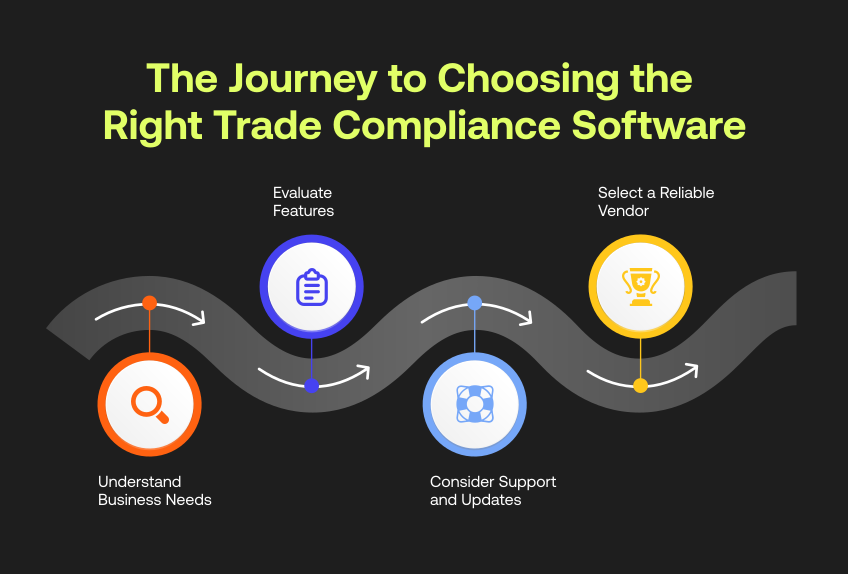
When choosing customs compliance software, keep these pointers in mind:
Know your needs
The first step for businesses looking to choose the best trade compliance software is to evaluate their unique needs thoroughly. It involves finding the problems and obstacles of your trade operations and identifying areas where a strong software solution can have a big influence.
Finding the best solution begins with a thorough understanding of your particular trade compliance challenges, whether related to:
Managing duties, tariffs, and taxes across international borders
Navigating complex international trade regulations
Ensuring trade documents are accurate
Key features to look for
Here are some crucial features to look for when choosing the right trade compliance software:
- Automation: The trade compliance software should automatically enter and validate data in the custom forms to ensure precision and compliance. It reduces the risk of human errors and expedites the clearance process.
- Real-time tracking: To stay informed and make prompt decisions, it is essential to receive regular updates on the shipment status. It improves supply chain innovation and visibility and lets you plan better logistics management strategies.
- Integration: It is essential to be able to integrate with current transportation management systems (TMS), enterprise resource planning (ERP) systems, and other logistics software. It ensures that all the systems work effectively together, helping businesses to manage supply chains more efficiently.
- Scalability: The software should be flexible enough to accommodate the increasing volume of data and growing business needs. It ensures the software grows with your business and automatically adjusts as your supply chain evolves.
- Regulatory compliance: The software must ensure compliance with all the regulatory requirements, such as free trade agreements, export controls, and customs regulations. It saves businesses from potential fines and hold-ups.
By considering these features, importers and exporters can select software that perfectly aligns with their requirements.
Ensure compliance and streamline trade with iCustoms.
Ongoing support and training
To ensure the seamless integration of the software, the company must offer unwavering support and guidance. It includes:
- Technical support: Offer support if any technical issue arises, ensuring the problem is solved quickly and minimising supply chain disruptions.
- Training: Provide knowledge and instructions required to use and integrate the software effectively.
Continuous updates
Ongoing updates are essential to make sure that trade compliance software fulfils your business’s evolving requirements. It includes:
- Software updates: Make sure that the software is updated regularly to incorporate the changes in trade and customs regulations, which keeps the software compliant.
- Performance monitoring: Check the performance of the compliance software on a regular basis and identify areas that need improvement.
Choosing a reliable vendor
Selecting a software vendor that understands the complexities of international trade is as important as choosing the right software. A reliable provider will offer continuous support, including training and guidance, to help you confidently handle global trade’s intricacies.
Essentially, businesses should look for a vendor who is aware of compliance requirements and the changing environment so they can proactively incorporate updates in their software.
Wrapping up
Businesses need to modify their customs operations in a dynamic international trade landscape. It is crucial to choose the right software that perfectly meets your business requirements. This involves assessing your needs, the software’s features, and the vendor’s reputation in the market.
If you aspire to stay ahead of the curve in international trade shipments, partner with iCustoms and let our innovative trade compliance software do wonders!
Frequently Asked Questions
What is trade compliance software and what role does it play in international trade operations?
Trade compliance software is a specialised platform that automates and manages the regulatory requirements involved in importing and exporting goods internationally. It provides a unified system for ensuring compliance with customs regulations, free trade agreements, and export controls. By reducing manual processes and minimising errors, the software helps businesses avoid costly fines, prevents shipment delays, and improves overall supply chain efficiency across multiple markets.
How should businesses assess their trade compliance needs before selecting software?
Businesses should start by identifying the specific pain points in their current trade operations. This includes evaluating how they currently manage duties and tariffs across international borders, whether their documentation processes are accurate, and where regulatory complexity creates the greatest risk. Understanding these challenges clearly ensures that the software selected directly addresses existing weaknesses rather than simply replicating manual processes in a digital format.
What automation features are most important in trade compliance software?
Effective trade compliance software should automatically enter and validate data in customs forms, reducing human error and speeding up the clearance process. Additionally, real-time shipment tracking keeps businesses informed of status, enabling faster logistics decisions. Together, these automation features reduce the administrative burden on compliance teams, allowing them to focus on higher-value tasks such as regulatory monitoring and trade strategy rather than manual data entry.
Why is integration with ERP and TMS systems a critical factor when evaluating trade compliance software?
Integration with existing enterprise resource planning (ERP) and transportation management systems (TMS) is essential because it enables data to flow automatically between platforms without duplication or manual re-entry. When trade compliance software connects seamlessly with these systems, businesses can manage their supply chains more efficiently, reduce the risk of conflicting data, and ensure that compliance information is consistent across every department involved in the import or export process.
How does scalability affect the long-term value of trade compliance software for growing businesses?
Scalability determines whether trade compliance software remains effective as a business expands into new markets, increases shipment volumes, or adds product lines. Software that cannot scale forces businesses to switch platforms or manage compliance manually for new operations, both of which introduce risk. A scalable solution automatically adjusts to accommodate growing data volumes and evolving supply chain complexity, protecting the initial investment and ensuring continuous regulatory compliance as the business grows.
What ongoing support and training should businesses expect from a trade compliance software vendor?
A reliable vendor should provide timely technical support to resolve issues that arise during live operations, minimising disruption to customs workflows. Furthermore, structured training is essential to ensure that compliance teams understand how to use and integrate the software effectively. Ongoing training is particularly important when new regulations are introduced, as staff need to understand both the regulatory changes and how the software has been updated to address them.
How should businesses evaluate a trade compliance software vendor's ability to keep up with regulatory changes?
Businesses should look for vendors who proactively monitor changes to international trade regulations and incorporate those changes into regular software updates. A vendor who understands the constantly evolving compliance environment can prevent businesses from inadvertently falling out of compliance due to outdated software. Additionally, it is important to ask how quickly the vendor updates the platform following a regulatory change and whether performance monitoring tools are included to identify gaps before they cause penalties.
You may also like:
Tired of compliance issues, delays, and fines? Streamline your operations with iCustoms.

Reduce costs, minimise risks, and improve efficiency
Subscribe to our Newsletter
About iCustoms
iCustoms is an all-in-one solution helping businesses automate customs processes more efficiently. With AI-powered and machine-learning capabilities, iCustoms is designed to streamline your all customs procedures in a few minutes, cut additional costs and save time.
Tired of compliance issues, delays, and fines? Streamline your operations with iCustoms.
Reduce costs, minimise risks, and improve efficiency