

A Comprehensive Guide to the T1 Document
-
 Freya Jane
- Director of Customer's Success
Have you ever tried importing goods into the EU from other states? In a common survey, we analysed the results and found that traders hesitate to import goods outside the EU. Because they face several hurdles and it is so hectic to tackle them. The EU is developing simple methods to maintain international relations and stabilise revenue. The HMRC created a transit customs method in a document source named T1 document. This certificate is now gaining popularity due to its ease of customs declaration. In this blog, we’ll dig into details about the T1 document and its ability to create an impact.
What is a T1 document?
If you want to understand the t1 form, you first need to understand what it is.? The literal meaning of transit is “transporting people or items from one area to another,” but, as we want to know the terms of customs, it is termed as transmitting goods to other countries while passing through the UK premises.
Above, we described the literal definitions of the transit but it varies slightly when you describe them in the t1 transit document form.
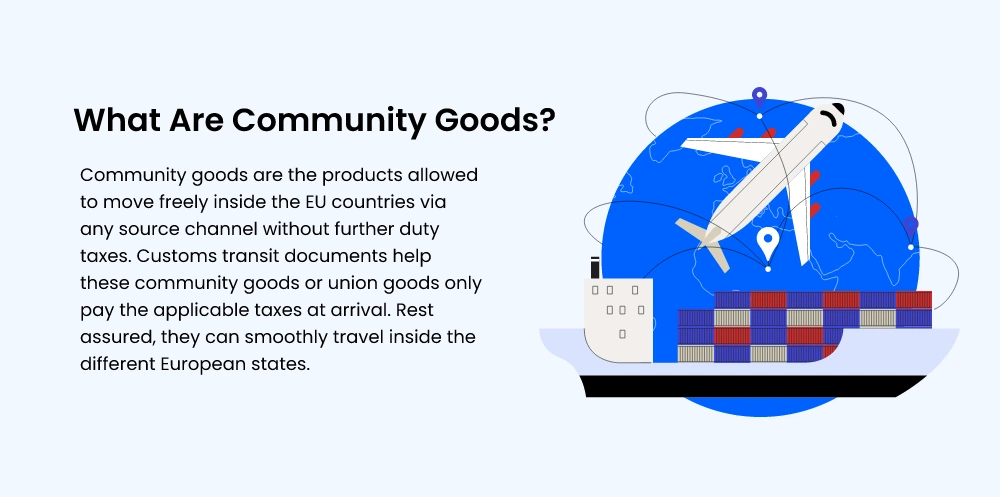
A t1 transit document is a piece of paper that allows customs processing mainly for community goods for cross-border trade between non-EU and EU countries without paying any additional duty taxes until arrival at the terminus.
T1 documents: Who needs them?
Businesses and dealers engaged in international trade within Europe must have the T1 document. The following are some individuals that need this document:
- Importers and exporters that transport non-EU goods within the EU.
- Freight forwarders that oversee logistics and guarantee efficient shipping.
- Customs brokers who manage customs clearance for their clients.
- E-commerce that sends items globally and requires tax-efficient transit.
You can save delays and extra customs charges by knowing if your company needs a T1 document.
Is the T1 customs document important?
When importing Union goods from other states of the world into EU territory, you must pay duty taxes before the goods arrive. It is basically a system for non-EU products exported to the European Union. T1 documents only require you to pay the applied taxes once the cargo arrives at the destination.
Earlier, when non-EU goods were transported inside the EU states, they required additional taxes in every EU country. Using the T1 transit document, the goods move inside the EU without paying any taxes at every corner. This is a major advantage that T1 Form Customs provides while maintaining all other aspects of customs declarations.

Importing goods from non-EU to EU territory?
iCustoms provides expert guidance and the NCTS service to ensure a smooth T1 process.
What is the validity period of a T1 document?
The validity of a T1 document is affected by the route and the customs laws of the transit countries. Usually:
- A T1 document can be used within 8 days after it is issued.
- An extension may be necessary if delays are brought on by unanticipated events or customs inspections.
- The transit status of the goods must be regularly updated in the New Computerised Transit System (NCTS) .
Typical Errors to Avoid When Using a T1 Document
During the customs process, a lot of traders make mistakes that can cause issues. Among the most frequent errors are:
- Inaccurate or lacking information: Transit delays may result from differences in product descriptions, values, or origin information.
- Not adhering to customs regulations: Every country has unique import/export regulations that need to be followed.
- Late T1 form submission: Penalties may apply if the submission date is missed.
- T1 document misuse: Fines and additional duties may result from using a T1 for non-qualifying products.
The working strategy of a T1 transit system
The T1 customs process starts when the freight forwarder or customs broker exports the goods. He is responsible for paying the duty, VAT, and other relevant taxes necessary for the cargo. Maintaining better transport services and improving relationships with other countries is important.
As the broker acquires the T1 customs form, it prevents the duty calculations until the cargo arrives at the destination terminal. It controls the payment of taxes and limits business activities to prevent overpayment of customs fees.
T1 export paperwork begins at the origin location and continues all the way to delivery. Eight days is the longest amount of time the shipment has to reach its destination. Once it arrives, the broker has to visit the NCTS customs website of the declaration firm to clear the CDS.

The application process to obtain the T1 Document
Interact with a Customs Agent or Freight Forwarder: Make contact with a licenced freight forwarder or customs agent. They’ll help you through the procedure and help prepare the required paperwork.
Give Thorough Information: Give thorough information on the items being carried, including their type, value, source, destination, and any taxes or duties that may be relevant.
Complete Required Forms: Complete the particular forms needed for submitting the T1 document. This entails supplying precise details regarding the shipment, including packing lists, invoices, and pertinent trade documents.
Send to Customs officials: The completed paperwork will be sent by your agent or forwarder to the customs officials in the country of departure. This contains the T1 transit declaration, which guarantees adherence to laws governing customs.
Get Confirmation and Track Shipment: You will receive a confirmation of the T1 transit document as soon as it is accepted. Make sure that the documentation travels with the cargo because it is evidence of compliance and allows duty-free travel until the shipment is finally cleared at the destination.
Observe Customs Procedures: Comply with any additional customs processes or inspections that may be necessary at each checkpoint when the items pass through various customs regions.
Ultimate Destination Clearance: The T1 document makes customs clearance easier after arriving at the ultimate destination. Present it with any other required papers to complete the import procedures and pay any applicable tariffs or taxes before the items are released.
Required documents for T1 document
Although the documents for the customs declaration are already specified, some other documents are required for the T1 export document, such as commercial invoices, transportation documents, bills of lading, product lists with descriptions, EORI recipients of goods, and arrival and destination addresses.
Advantages of using T1 customs transit
- Transit customs improve the arrival and departure of cargo.
- Community goods will freely travel throughout the EU territory without paying any extra charges.
- T1 document provides security and develops trust for other countries to integrate their supply chain businesses with the EU.
- T1 facilitates the customs management platforms to regulate a smooth customs experience.
- T1 document customs has proven to be beneficial for importing businesses.
Feeling overwhelmed by the T1 document process? Don’t let errors stall your imports!
Get help from our IDP to ensure you have all the necessary documentation to avoid delays and penalties.
Difference between T1 and T2 documents
The T1 and T2 documents are transit documents used to ship community goods. When things from one EU country go to another EU country via the UK or another non-EU region, the T2 form is filled out. Basically, the T2 is the European Union and EFTA’s magical travel paper.
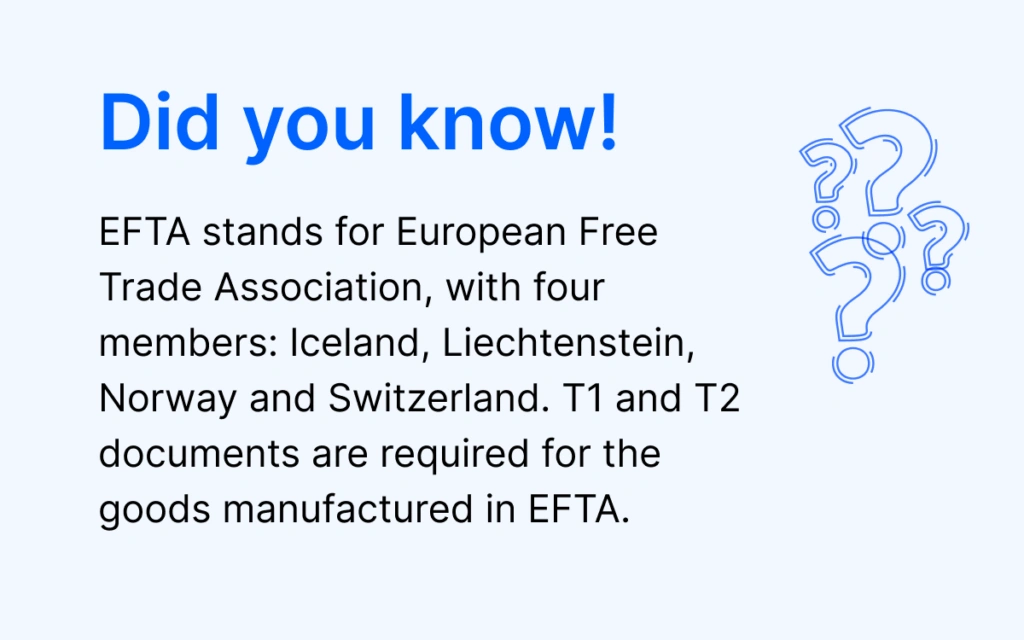
It was made just for the amazing community things that come from these places, and it gives them a special power. With the power of T2, these things can travel through certain magical places outside the Customs Union without paying a single gold coin in taxes. T2 will ensure their trip goes smoothly, safely gets them to their final destination, and keeps them from having to pay extra customs fees.
Conclusion
Dealing with customs and international trade restrictions when importing products into the European Union from outside the EU may be daunting. However, you need not worry; the T1 document is a formidable instrument for transforming customs declarations.
The T1 transit document acts as a “magical pass” for community products, exempting them from paying customs taxes in transit between non-EU and EU nations. This tremendous benefit has greatly facilitated commerce across borders and consolidated the EU’s relationships with other countries.
iCustoms can help you in your transit journey by providing the NCTS service to its traders. Visit us to learn more about it.

Ready to unlock the power of AI for your customs operations?
Get expert guidance from our customs specialist!
You may also like:


Subscribe to our Newsletter
About iCustoms
iCustoms is an all-in-one solution helping businesses automate customs processes more efficiently. With AI-powered and machine-learning capabilities, iCustoms is designed to streamline your all customs procedures in a few minutes, cut additional costs and save time.